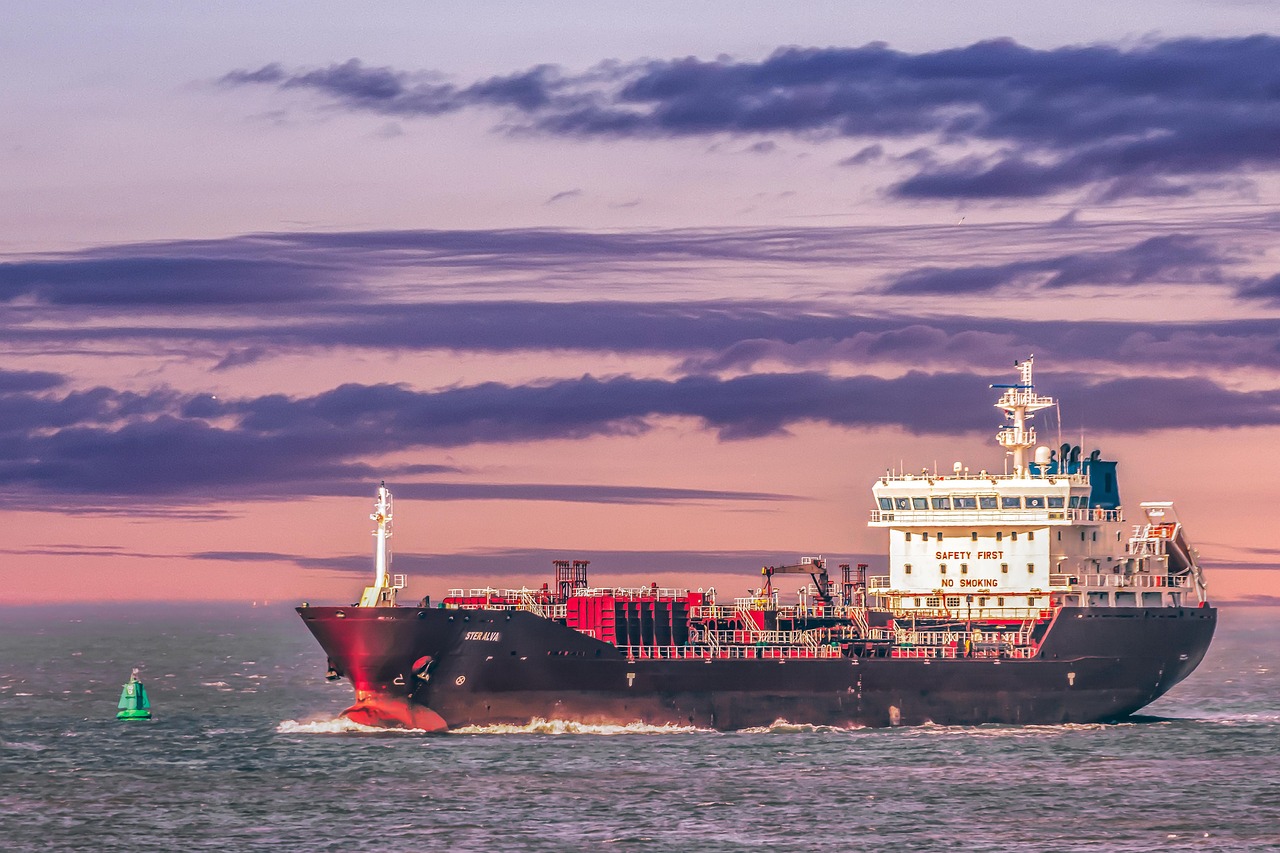
The ship found perfectly upright on the sea floor is the cargo steamer SS Yongala, sitting alone in the blue deep near the coast of Queensland, Australia. She looks ready to sail, even though she sank during a wild tropical cyclone more than a one hundred years ago in 1911.
Divers can visit the wreck today and swim right past her glass windows and toilet bowls that are still in place. Every passenger and crew member died when she went down, but the ship herself stayed completely upright and whole on the muddy ocean bottom.
How the SS Yongala Sailed Into a Storm
The SS Yongala left the busy port of Melbourne on March 23, 1911. She carried 122 passengers, dozens of crew members, and a heavy load of cedar wood, rails, and gold sovereigns. People on board ate fine meals and played cards in the warm night air. They had no idea that a deadly cyclone was spinning in the Coral Sea.
Ships back then did not have modern radios to track the weather. The captain sailed right into the path of the giant storm near Townsville. On March 24, a lighthouse keeper saw the ship steaming north against heavy winds. That was the last time any living person ever saw her afloat. She vanished without a single trace, leaving families waiting on the docks for weeks.
People spent months looking for the missing steamer. Planes did not fly over the ocean to search back then, so boats crawled along the coast and found nothing at all. Newspapers printed sad stories about the lost souls. Folks wondered if she had broken apart on a hidden reef or drifted far out into the open Pacific Ocean.

The Accidental Discovery on the Ocean Floor
Navy sonar operators finally found the missing ship in 1958 by pure luck. They were testing out new equipment near Cape Bowling Green when a giant shadow appeared on their grainy screen. Divers put on heavy metal tanks and dropped down into the dark water to see what it was. They swam through schools of giant trevally fish and saw a huge metal hull rising up from the sand.
The ship sat on the sea floor at a depth of nearly one hundred feet. She was not broken in half. She was not lying on her side. The SS Yongala stood perfectly upright, looking just like a ghost town under the sea. Coral grew over the steel plates, turning her into a living home for sharks, turtles, and colorful reef fish.
Nobody knows for sure why she did not capsize as the big waves hit her. Some experts think her heavy cargo of rails and lead shifted just enough to keep her balanced as she sank. Others believe her watertight compartments kept air trapped inside long enough to guide her down on an even keel. If you want to read about other people who faced wild moments in nature, check out Juliane Koepcke: The Girl Who Fell From the Sky.
What It Is Like to Visit the Wreck Today
Divers today can swim down and look right inside the cabins of the SS Yongala. You can see the old anchor chain still coiled neatly on the deck. You can peer through open portholes and spot big groupers resting in the dark hallways where people used to walk in suits and dresses. The sheer amount of sea life makes this spot one of the best dive sites on the entire planet.
You need a special permit and an experienced guide to dive down to the wreck because the ocean currents run very fast here. Sharks swim around the hull all day long, waiting for smaller fish to dart out from the rusted metal rooms. It takes real Survival skills and calm nerves to swim deep into the blue water and touch a piece of history that stayed hidden for nearly fifty years.
Local dive shops take out small boats every single morning when the weather is calm. Tourists pay good money to get a glimpse of the history resting on the sand. The boat ride takes about thirty minutes from the town of Ayr. Once you jump in the warm water, you drop down a heavy anchor rope straight onto the top deck of the ship.
Why the SS Yongala Still Captures Our Hearts
People love stories about things that stay intact after a disaster. The ship became a quiet underwater museum that honors every single life lost on that dark night. It proves that nature can take a human machine and turn it into something breathtaking and strange.
If you want to read more about amazing events from the past, you can visit amazing true stories and recipes to find your next great read. Tales passed down through generations keep the memory of the passengers alive. Every person who dives the wreck learns the names of the folks who sailed on her final voyage.
Next time you look out at the big blue ocean, remember what is resting quietly underneath the waves. Big metal giants can vanish for decades and then pop back into our lives when we least expect them. Would you have the courage to swim down into the dark water and touch the deck of a lost ship?



No comments:
Post a Comment